
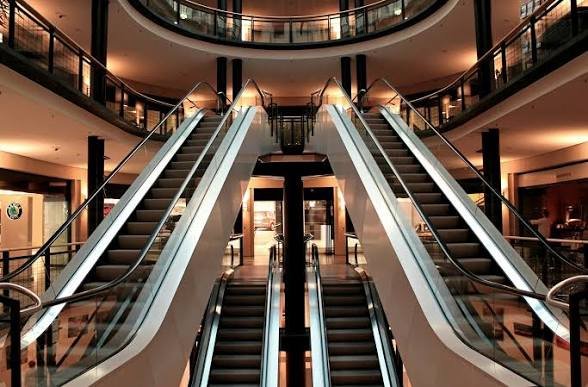
Shopping malls are important parts of modern life in Pakistan. Families visit them for shopping, restaurants, entertainment, and social gatherings. These buildings often contain hundreds of shops, food courts, cinemas, storage areas, parking facilities, and electrical installations. While malls provide convenience and comfort, their size and large number of visitors make fire safety a serious responsibility.
A fire in a shopping mall can spread smoke through corridors, affect several shops, disrupt business operations, and make evacuation difficult. Crowded walkways, locked emergency exits, faulty electrical equipment, and poorly maintained fire protection systems can increase the danger.
The good news is that many fire risks can be reduced through proper planning, regular maintenance, staff training, and suitable safety equipment. Fire safety does not always require expensive changes to every part of a building. Often, small improvements and consistent attention can make a significant difference.
In Pakistan, the Building Code of Pakistan Fire Safety Provisions 2016 provides an important reference for building fire safety. Provincial and local authorities may also enforce relevant regulations and inspection requirements. Mall owners and managers should understand which requirements apply to their premises and ensure that safety measures remain functional.
This article explains why mall fire safety matters, which hazards require attention, and how fire alarms, emergency exits, firefighting equipment, and staff training can help protect visitors and employees.
1. Why Is Fire Safety Important in Shopping Malls?
Shopping malls bring large numbers of people into one building, sometimes for several hours at a time. Visitors may be unfamiliar with the layout, while employees may be working in shops, restaurants, offices, or storage rooms.
If a fire starts, people need to recognise the warning, understand where to go, and reach a safe location without unnecessary delay.
Several factors make mall fire safety particularly important.
High visitor numbers
A busy shopping mall may contain families with children, older adults, people with disabilities, shoppers carrying bags, and employees who are unfamiliar with emergency procedures outside their own departments. These different needs must be considered when planning evacuation arrangements.
Multiple sources of ignition
Electrical equipment, lighting, cooking appliances, generators, maintenance activities, and other building services may create potential ignition sources. Poor installation, damaged wiring, or neglected equipment can increase the risk of fire.
Large amounts of combustible materials
Clothing, packaging, paper products, furniture, decorative materials, and stock stored in shops may contribute to fire growth if they ignite.
Complex building layouts
Malls may contain several floors, underground parking, enclosed corridors, escalators, lifts, food courts, and cinema areas. Without clear signage and effective emergency communication, visitors may struggle to identify the safest route.
Business and financial losses
A fire can damage property, destroy inventory, interrupt operations, and affect employees and nearby businesses. Safety measures help protect both people and the long-term continuity of commercial activities.
Mall fire safety is therefore not simply a legal or technical responsibility. It is an essential part of protecting everyone who enters the building.
2. Common Fire Hazards in Shopping Malls
Identifying hazards is the first step toward reducing them. Mall management should assess the entire property, including public spaces, individual shops, service rooms, kitchens, basements, and parking areas.
Electrical faults
Electrical problems can arise from damaged cables, overloaded circuits, loose connections, unsuitable equipment, or poor maintenance. Temporary electrical installations used for decorations and promotional events also need careful supervision.
Electrical systems should be inspected and maintained by qualified personnel. Damaged wiring should be repaired promptly, and electrical panels should remain accessible to authorised staff.
Restaurant and food-court fires
Food courts contain cooking equipment, electrical appliances, oils, and other materials that may create fire hazards. Kitchens require suitable fire protection measures based on their equipment and activities.
Staff should understand the emergency procedures for their work area. Cooking equipment and associated ventilation systems should be maintained according to the manufacturer’s instructions and applicable requirements.
Storage and housekeeping problems
Cardboard boxes, packaging, waste, and merchandise can increase the available fuel for a fire. When stored in corridors or near electrical equipment, these materials can also interfere with emergency access.
Shops should maintain orderly storage areas and remove waste regularly. Escape routes, fire doors, electrical rooms, and firefighting equipment must not be obstructed.
Maintenance and renovation work
Construction, repair, welding, and other maintenance activities may introduce temporary fire risks. Mall management should use appropriate work authorisation procedures, supervision, and precautions for activities that could cause ignition.
Poorly maintained fire protection equipment
A fire alarm, extinguisher, sprinkler, or hydrant is useful only when it is suitable for the hazard and kept in working condition. Missing equipment, faults, blocked access, and overdue maintenance can undermine the building’s safety arrangements.
Regular inspections help identify these problems before an emergency occurs.
3. Fire Alarm Systems: A Small Investment in Early Warning
Early warning is a central part of fire protection in large commercial buildings. A suitable fire alarm system can help alert occupants when connected detection equipment identifies a fire or when a manual alarm is activated.
The Building Code of Pakistan Fire Safety Provisions 2016 is published by the Pakistan Engineering Council in collaboration with the National Disaster Management Authority. Punjab Civil Defence also identifies fire detection and alarm systems among the measures considered in fire safety inspections. The precise requirements depend on the building and the applicable authority.
For mall operators researching a fire alarm system in Pakistan, the priority should be a properly designed, approved, installed, tested, and maintained system suitable for the building’s layout and occupancy.
Early detection and warning
Depending on the design, a fire alarm system may use smoke detectors, heat detectors, manual call points, a control panel, and audible or visual warning devices.
These components serve different purposes. Automatic detectors can identify certain signs of fire, while manual call points allow a person to raise the alarm when an emergency is discovered.
Early warning gives occupants an opportunity to follow the building’s emergency procedures. It does not guarantee that everyone will escape safely, so alarms must be supported by effective evacuation planning.
Coverage across the building
A shopping mall may contain retail floors, food courts, storage rooms, offices, parking areas, and service spaces. Fire detection and alarm coverage should be determined through a competent assessment of the building and applicable requirements.
A system designed for a small shop may not be appropriate for a large multi-storey mall. The design should account for the building’s size, layout, occupancy, and relevant fire protection arrangements.
Audible and visual warnings
People may not hear an alarm clearly in a noisy food court or entertainment area. Suitable warning devices and, where required, visual signals or voice communication can help communicate an emergency.
The system should be designed so that the intended occupants receive clear, understandable warnings.
Regular testing and maintenance
Dust, damaged components, power problems, and other faults may affect alarm performance. Management should arrange inspections and testing according to the system design, manufacturer’s guidance, and applicable standards.
Faults should be recorded and corrected promptly. Any temporary impairment of a fire alarm system should be managed through appropriate compensating precautions and authorised procedures.
A fire alarm system is not a replacement for safe building design or active management. It is one part of a wider fire safety strategy.
4. Emergency Exits Must Always Remain Accessible
During a fire, a clear escape route can make a critical difference. Visitors should not have to move merchandise, navigate storage boxes, or search for a hidden doorway to leave the building.
Mall management must ensure that exits and escape routes meet the requirements applicable to the property.
Important considerations include:
- Emergency exits should be clearly identified with appropriate signs.
- Escape routes should remain free of merchandise, furniture, waste, and temporary displays.
- Doors should operate as intended and should not be improperly locked or blocked.
- Stairways and corridors should be maintained and kept accessible.
- Emergency lighting should be provided where required and maintained.
- Evacuation information should be easy for staff and visitors to understand.
- People who may need assistance should be considered in the emergency plan.
Emergency routes must not be used for routine storage. Even a temporary obstruction can create difficulties when many people need to leave at the same time.
Staff should know the location of the exits nearest their work areas and understand how to direct visitors without sending them toward smoke or other hazards.
Where an exit route becomes unsafe, people should follow the building’s emergency instructions and use a suitable alternative route.
5. Fire Extinguishers, Sprinklers, and Hydrants
A mall may need several forms of fire protection because different areas contain different hazards.
Portable fire extinguishers can be useful for certain small fires when the correct equipment is available and a trained person can use it without taking an unreasonable risk. They should never be treated as a reason to delay evacuation.
Portable fire extinguishers
The type, number, and placement of extinguishers should reflect the building’s risks and applicable requirements. Equipment should be visible, accessible, correctly identified, and maintained.
Staff should know where extinguishers are located and understand that they should only attempt to tackle a fire when it is safe and they are appropriately trained.
Automatic sprinkler systems
Where required by the building’s design and applicable regulations, sprinklers can help control or suppress a fire in a protected area. Their effectiveness depends on correct design, installation, water supply, and maintenance.
Sprinkler heads must not be obstructed by displays, stored goods, or other objects. System valves and associated equipment should be managed by authorised personnel.
Fire hydrants and standpipe systems
Larger buildings may require hydrants or standpipe systems to support firefighting operations. Their availability and suitability depend on the building and the applicable requirements.
Access to firefighting connections and equipment rooms should remain clear. Inspection and maintenance arrangements should be established so that equipment is ready when needed.
Coordinated protection
Fire alarms, sprinklers, extinguishers, hydrants, emergency lighting, and escape routes should be considered together rather than as separate purchases.
A professional fire safety assessment can help identify missing measures, overlapping responsibilities, and maintenance priorities.
6. Electrical Safety and Preventive Maintenance
Electrical maintenance is an important part of mall fire prevention. Commercial buildings depend on lighting, escalators, lifts, air conditioning, refrigeration, display equipment, and other electrical services.
Faults in these systems can create hazards if they are not identified and addressed.
Mall management should establish a maintenance schedule that covers electrical distribution boards, wiring, generators, backup power, and other relevant installations.
Electrical rooms should remain accessible to authorised staff and free from unnecessary combustible storage. Unapproved electrical alterations should be avoided, and repairs should be completed by qualified professionals.
Temporary installations used for exhibitions, seasonal decorations, and promotional events should also be reviewed before use.
Staff should report unusual burning smells, visible damage, overheating equipment, repeated circuit interruptions, or other warning signs promptly. Employees should not attempt electrical repairs beyond their training and authority.
Preventive maintenance is often less disruptive than dealing with equipment failure after a problem has developed. It also supports the reliable operation of essential fire protection systems.
7. Train Employees to Respond Correctly
Fire safety equipment cannot protect a building effectively if people do not understand how to respond to an emergency.
Mall employees may be the first people to discover smoke or fire. Their actions can influence how quickly the alarm is raised and how safely visitors move away from danger.
Training should be suitable for each employee’s role and include:
- Recognising common fire hazards.
- Knowing how to report a fire.
- Understanding the alarm signals used in the building.
- Identifying safe evacuation routes.
- Directing visitors toward safe exits.
- Knowing when and how to contact emergency services.
- Understanding when firefighting attempts are inappropriate.
- Following instructions from the incident coordinator and emergency responders.
Security staff, maintenance teams, cleaners, food-court employees, and shop managers may have different responsibilities. These should be clearly defined before an emergency occurs.
New employees should receive suitable induction training, and existing staff should participate in refresher training when needed.
Mall management should also ensure that contractors and temporary workers understand relevant safety rules before starting work.
8. Fire Drills and Emergency Planning
A written fire safety plan should explain how the building will respond to an emergency. It should identify responsibilities, communication arrangements, evacuation procedures, and the process for contacting emergency services.
Fire drills help test whether these arrangements work in practice.
A useful drill can reveal problems such as unclear instructions, inaccessible exits, poor communication, or staff uncertainty about their duties.
After each exercise, management should record observations, assign corrective actions, and follow up to ensure that identified weaknesses are addressed.
Emergency plans should account for people who may require additional assistance, including children, older adults, and people with mobility, hearing, or visual impairments.
The plan should also consider the mall’s different operating conditions. A busy weekend, a special event, or a food-court rush may create different evacuation challenges from a quiet weekday morning.
Where a building has several tenants, mall management should coordinate with individual businesses so that their emergency procedures align with the overall plan.
Drills should be planned carefully and conducted in a controlled manner, following applicable guidance. They should improve preparedness without creating unnecessary risks or confusion.
9. Responsibilities of Mall Management and Shop Owners
Fire safety in a shopping mall is a shared responsibility. Mall management generally oversees common areas and building-wide systems, while individual tenants are responsible for complying with the requirements that apply to their premises.
The exact division of responsibility depends on leases, building arrangements, applicable laws, and the relevant authorities.
Mall management should maintain a record of inspections, alarm testing, equipment servicing, staff training, and corrective actions. It should also ensure that common escape routes and firefighting facilities remain accessible.
Shop owners should maintain safe working areas, avoid obstructing exits, manage electrical equipment properly, and follow the mall’s fire safety procedures.
Food-court operators should pay particular attention to cooking equipment, ventilation, cleaning, and the fire protection measures required for their activities.
Contractors should follow the site’s safety procedures when carrying out maintenance or renovation work.
Clear communication between all parties helps prevent gaps in responsibility. A building-wide safety meeting or coordinated inspection can help identify issues that may otherwise be overlooked.
10. Understanding Fire Safety Requirements in Pakistan
Pakistan’s Building Code of Pakistan Fire Safety Provisions 2016 provides an important reference for fire prevention, detection, firefighting, and life safety. The Pakistan Engineering Council publishes the code, and provincial or local authorities may apply additional requirements to buildings within their jurisdiction.
In Punjab, the Civil Defence Department lists fire detection and alarm systems, firefighting arrangements, fire safety plans, emergency fire control rooms, emergency exits, and evacuation plans among the measures considered in inspections.
Mall owners should not assume that the same detailed requirements apply identically to every building. Applicable obligations can depend on factors such as occupancy, building height, size, location, and the rules enforced by the relevant authority.
Management should consult the official code, the applicable provincial or local regulations, and qualified fire safety professionals to determine what is required.
Compliance should be treated as an ongoing responsibility. Installing equipment once does not ensure continued compliance if the equipment later becomes faulty, exits are obstructed, or the building’s use changes.
Keeping accurate maintenance and inspection records can help demonstrate that safety arrangements are being managed responsibly.
11. Why Small Safety Investments Make a Big Difference
A small improvement may prevent a minor problem from becoming a major emergency. Examples include repairing a faulty alarm component, clearing an obstructed exit, replacing damaged emergency lighting, or training employees to recognise a warning signal.
These measures may appear routine, but they help keep essential safety arrangements functional.
A practical mall fire safety programme should prioritise:
Regular inspections: Identify hazards and equipment faults before they create serious problems.
Preventive maintenance: Keep fire alarms and other protection systems in working condition.
Clear escape routes: Remove obstructions and maintain appropriate signs and lighting.
Staff preparedness: Ensure employees understand their responsibilities and emergency procedures.
Tenant coordination: Make sure shops and food outlets follow consistent safety arrangements.
Professional assessments: Obtain competent advice when evaluating complex systems or significant building changes.
Corrective action: Record identified problems and verify that repairs and improvements are completed.
Mall operators should assess risks and prioritise improvements according to their urgency and the consequences of failure. Safety decisions should not be based on price alone; equipment must be suitable for its intended purpose and installed and maintained correctly.
The value of fire safety is measured not only in money saved on repairs but also in the protection of visitors, employees, businesses, and property.
Conclusion
Mall fire safety requires consistent attention, suitable equipment, trained employees, and clear emergency arrangements. In Pakistan, shopping malls should take a structured approach to fire prevention, alarm systems, firefighting facilities, electrical maintenance, and evacuation planning.
A properly designed fire alarm system in Pakistan can provide an important early warning, but it must work alongside accessible exits, maintained fire protection equipment, and well-practised emergency procedures.
Small investments in inspections, maintenance, training, and housekeeping can address weaknesses before they become serious problems. Mall management and individual shop owners should work together to maintain safe conditions throughout the building.
Ultimately, fire safety is not an optional extra. It is an essential responsibility that helps protect human life, preserve property, and support the long-term success of shopping centres.
Frequently Asked Questions (FAQs)
1. Why is fire safety important in shopping malls?
Shopping malls contain large numbers of visitors, shops, electrical equipment, food outlets, and combustible materials. Effective fire safety measures help reduce fire risks, provide early warnings, and support safer evacuation.
2. What fire safety equipment should a shopping mall have?
Depending on its design and applicable requirements, a mall may need fire alarms, smoke or heat detectors, extinguishers, sprinklers, hydrants, emergency lighting, and clearly marked escape routes. A qualified assessment can determine the appropriate arrangements.
3. What is the role of a fire alarm system in Pakistan’s shopping malls?
A suitable fire alarm system can detect certain signs of fire or allow a person to raise an alarm manually. It alerts occupants so they can follow emergency procedures. Regular testing and maintenance are essential for reliable operation.
4. How often should mall fire safety equipment be inspected?
Inspection and testing schedules depend on the equipment, manufacturer’s instructions, applicable standards, and local requirements. Mall management should maintain a documented programme and arrange prompt repairs when faults are identified.
5. How can mall management improve fire safety on a limited budget?
Management can begin by keeping exits clear, addressing electrical hazards, checking alarm functionality, maintaining existing equipment, training staff, and conducting planned fire drills. Improvements should be prioritised according to the building’s risks and legal requirements.